
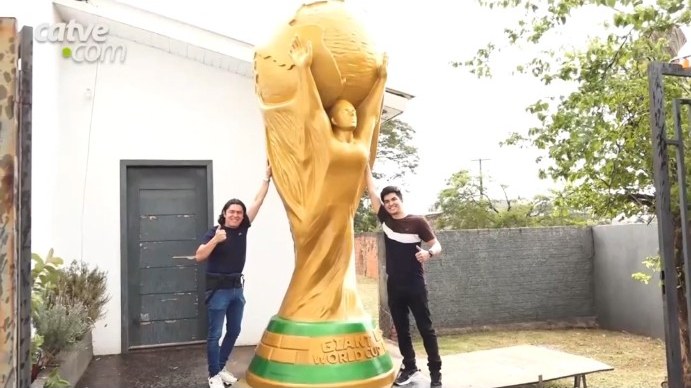
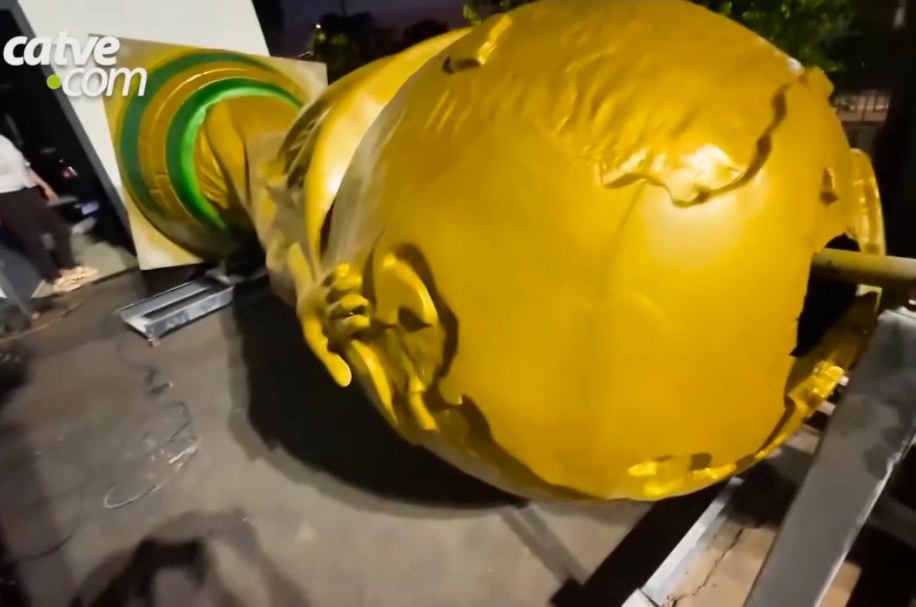
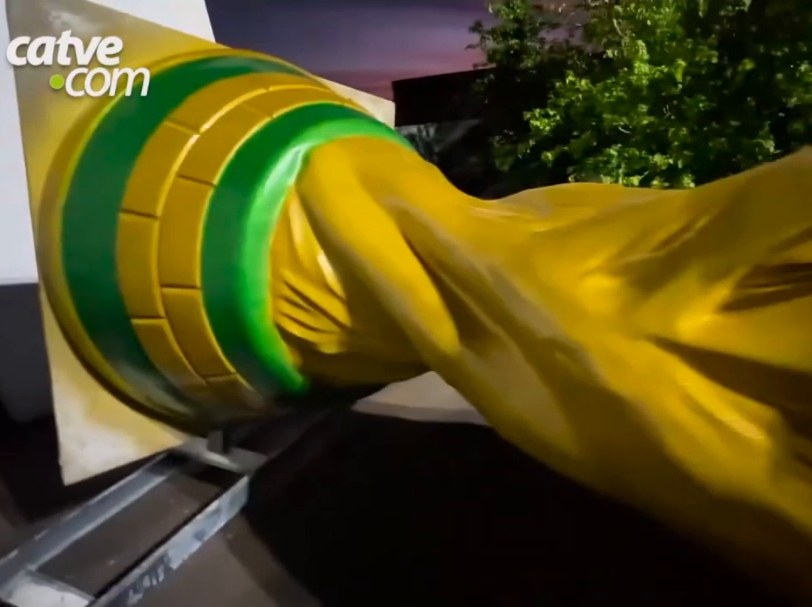
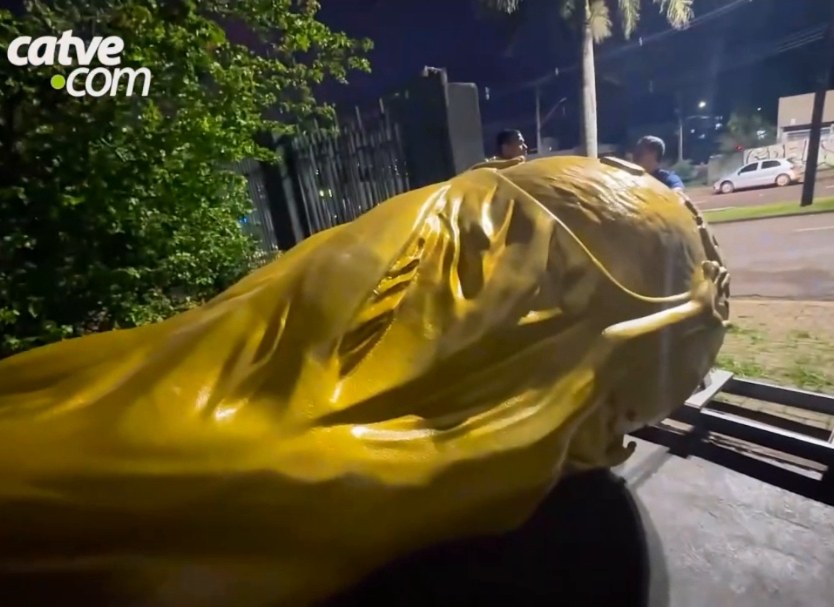
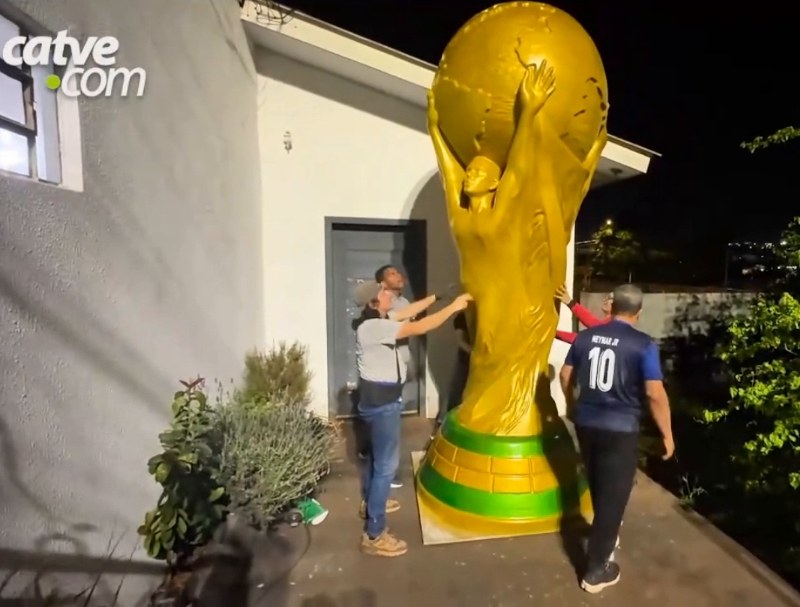
Brazil did not bring the World Cup home, but Cascavel has its own: a 3.6 m tall replica, built on the spot by Venezuelan makers who live in the city. Before starting, they searched the Internet for a 3D-printed reference taller than 3 metres: they found none.
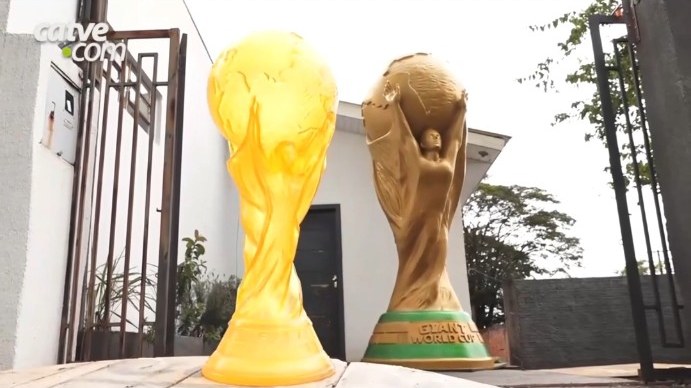
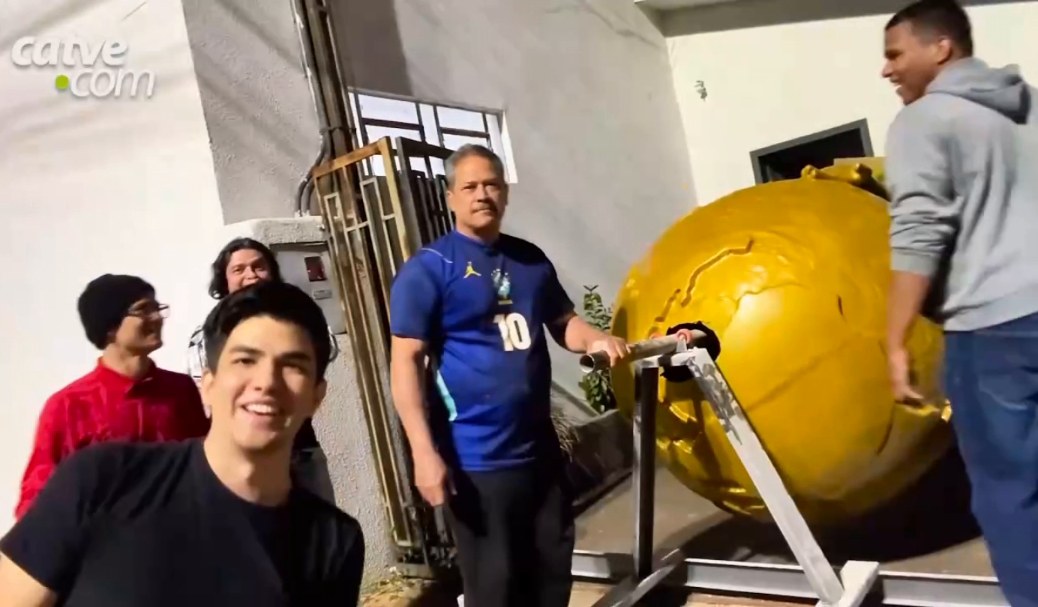
It all starts with a small workshop and a 3D model. The sculpture was reworked on the computer, with details that even the original image does not show, such as the fingers of the hands. For a piece this size, they also built a mobile base with a rotating axis.
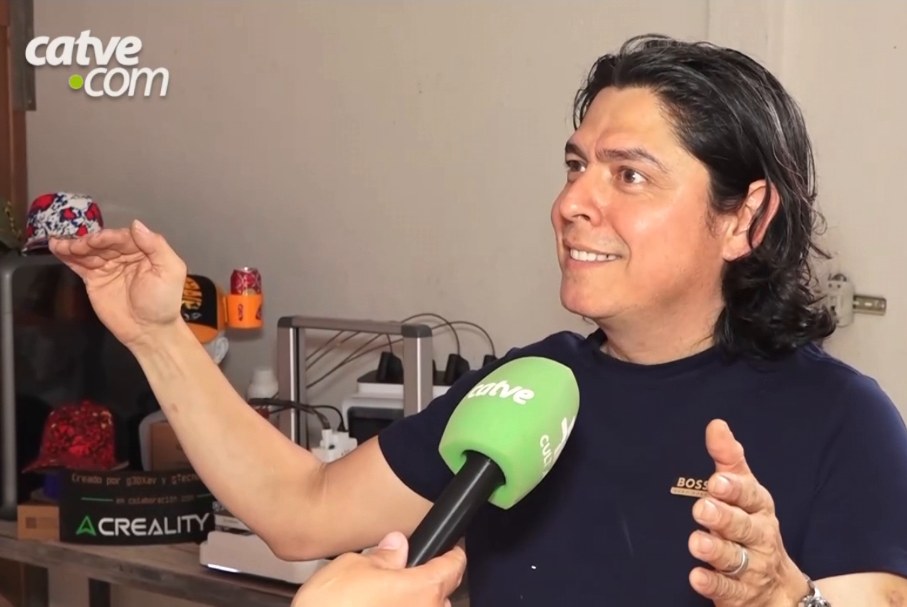
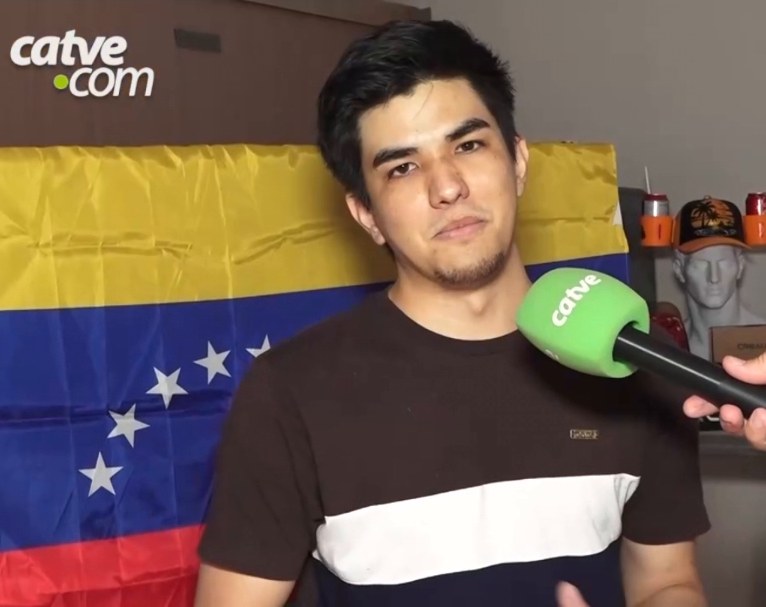
The model was split with Split3r into parts sized for the print beds, each with its own assembly guides. Then they had to be printed: a great many parts, each 7 mm thick.
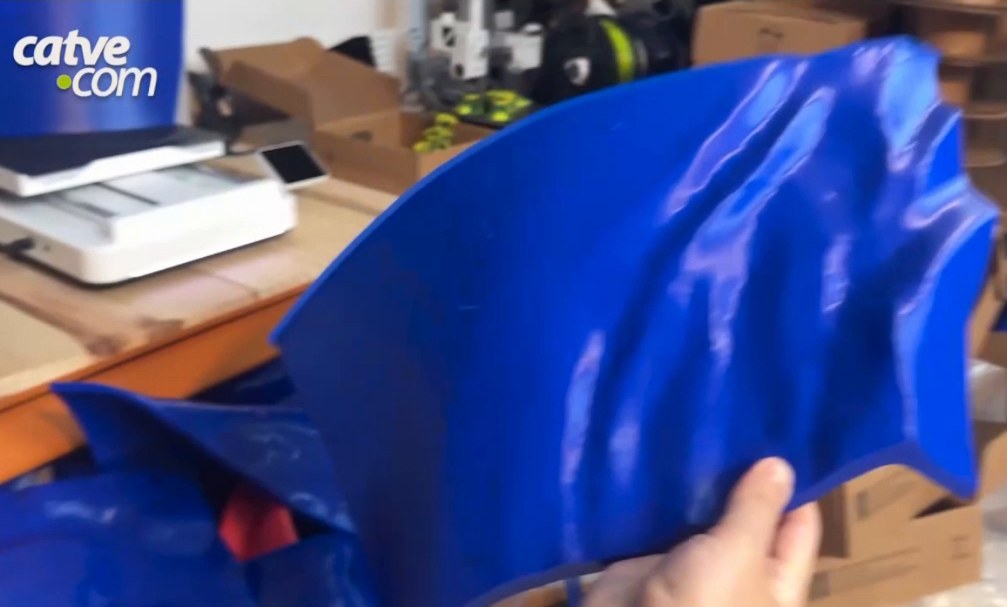
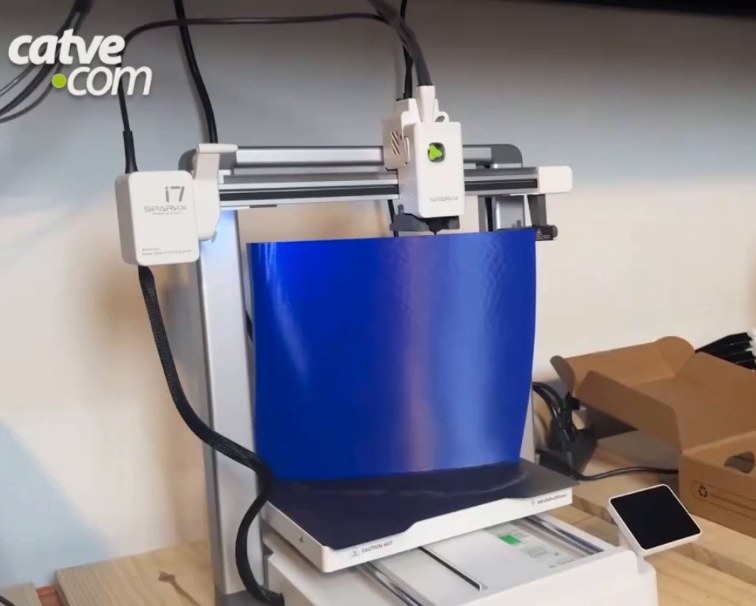
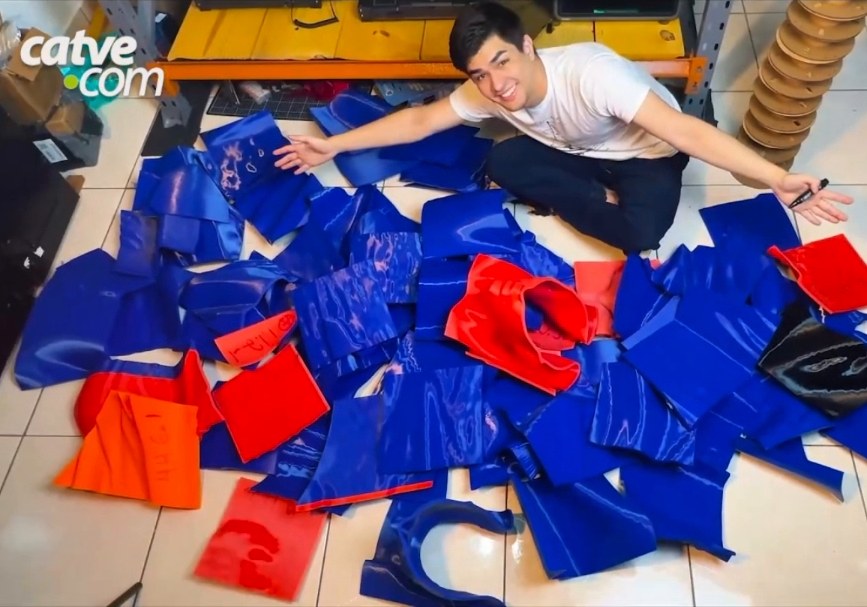
Assembly called for tools from the car industry, nearly 2,500 metal staples, fibreglass, a metal frame to carry the weight, and extra hands to fit the rings together.
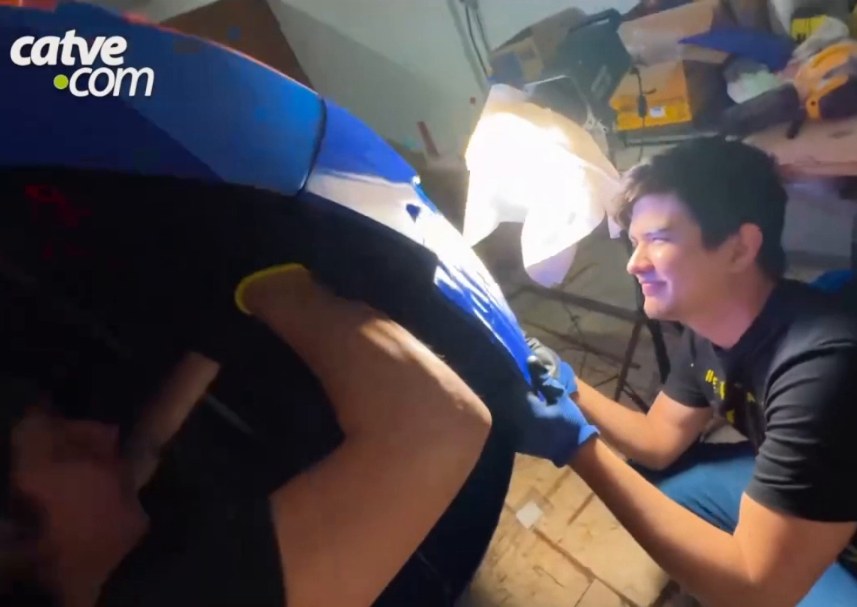
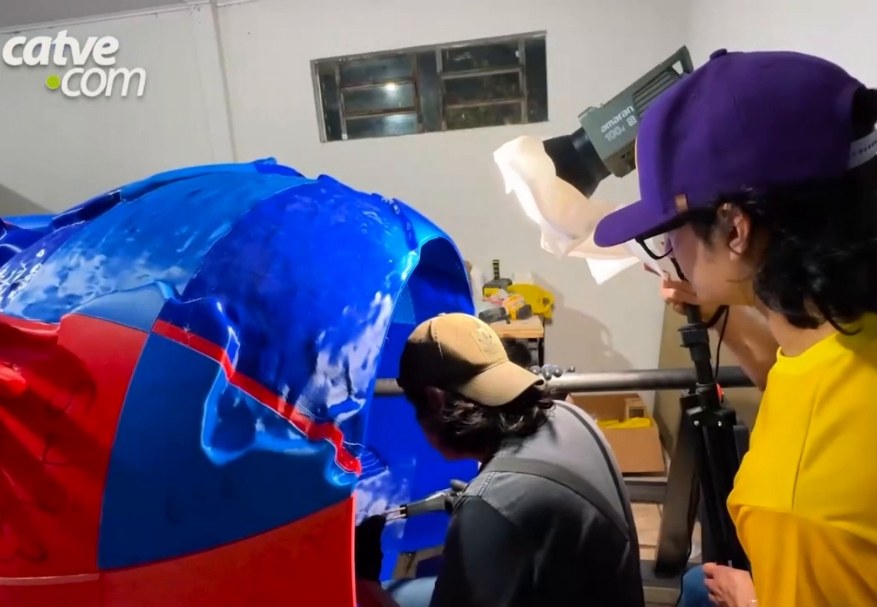
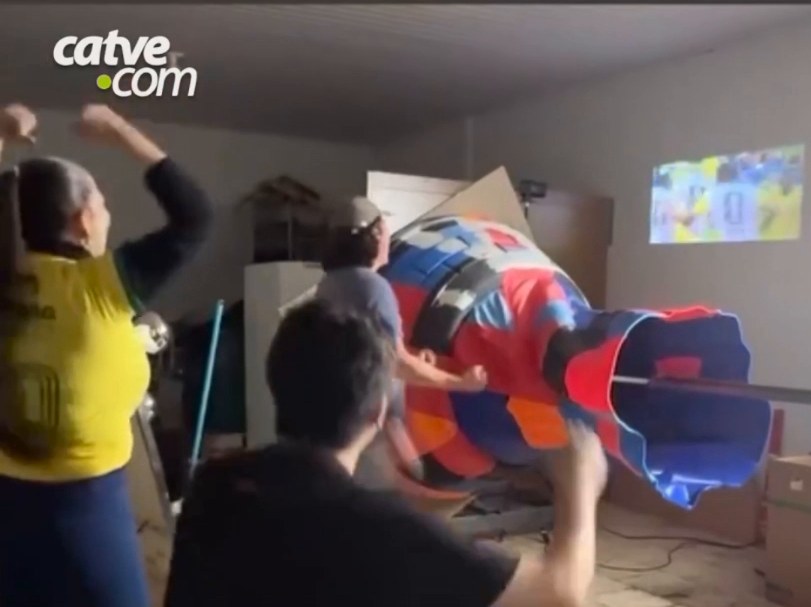
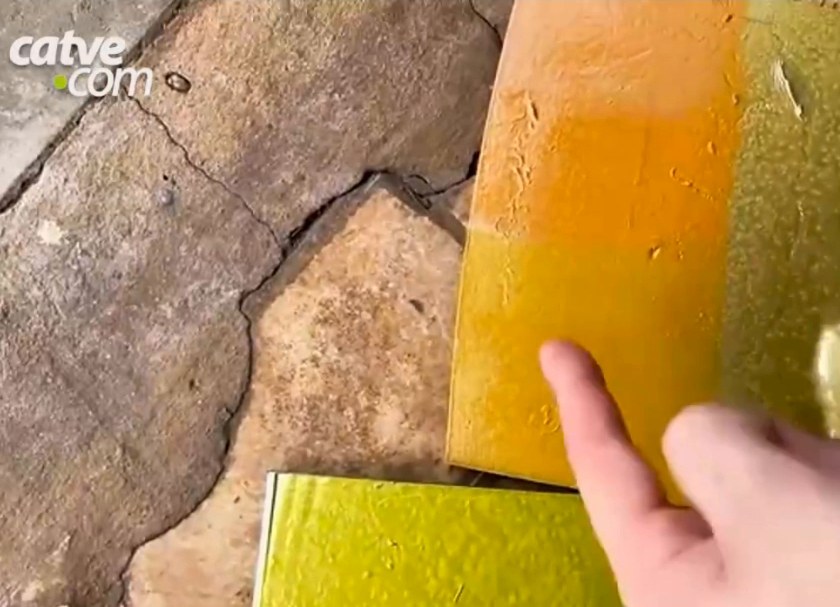
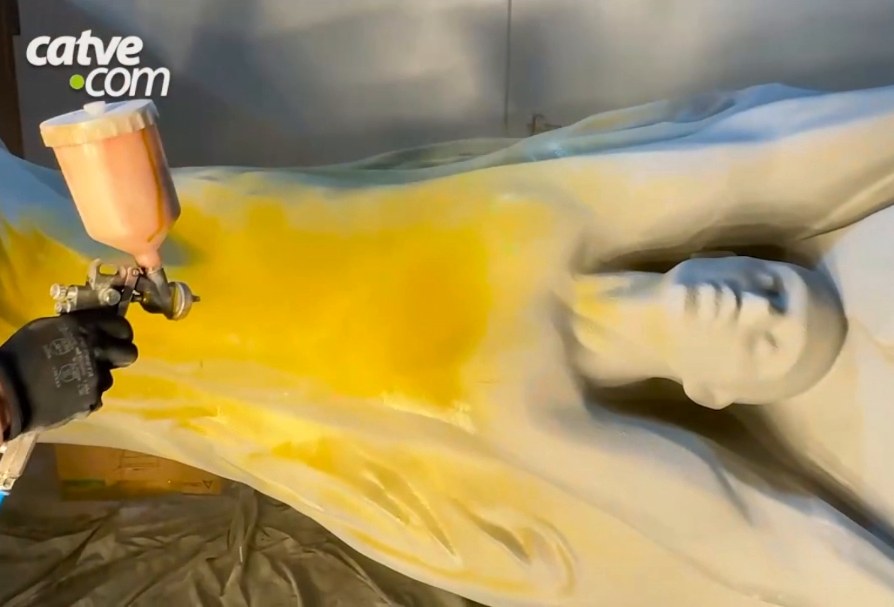
After weeks of work, often late into the night so as not to disturb their daytime business, and without ever forgetting their passion for football, came the preparation for painting, one of the longest stages. Finding the right shade of gold was not easy either.
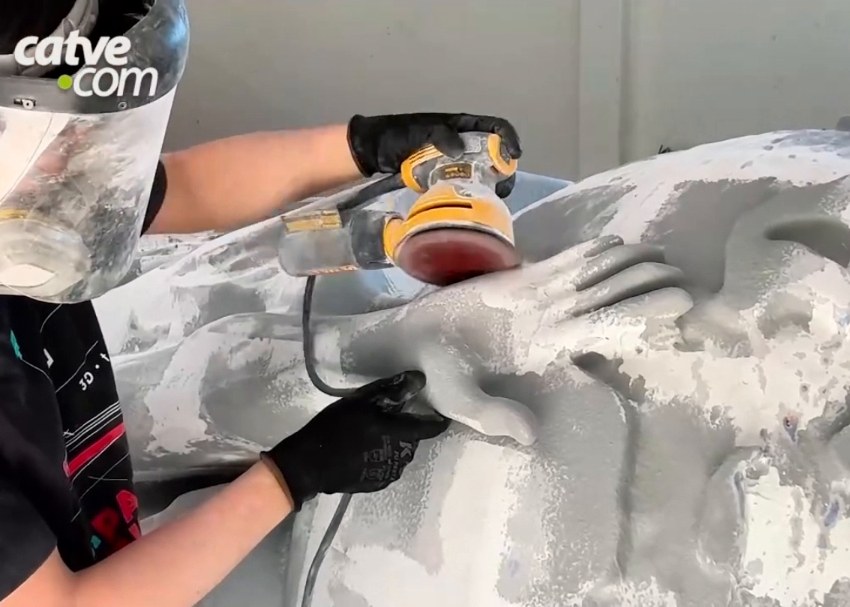
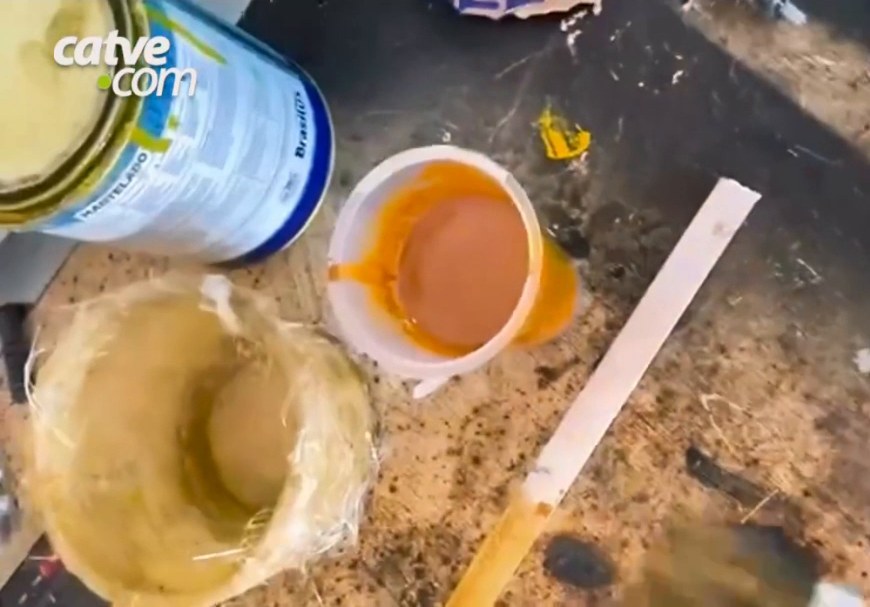
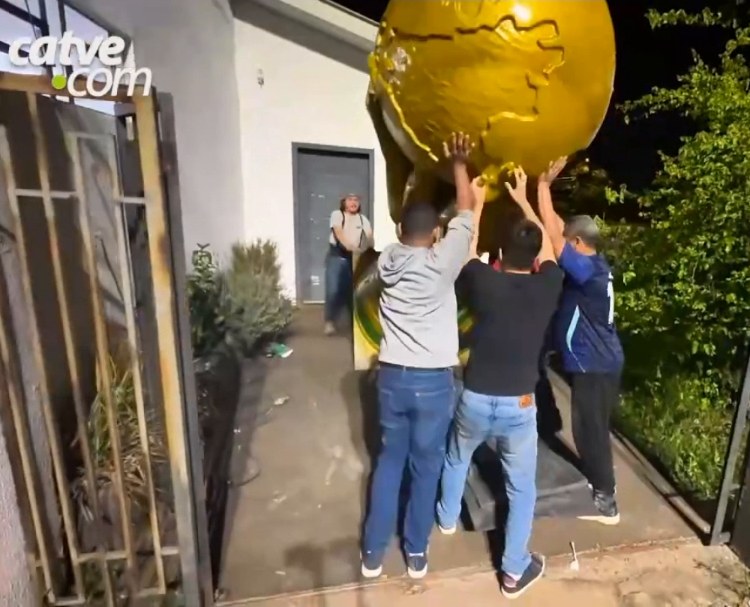
On the day the trophy was raised, help was needed: nobody lifts a trophy of more than 130 kg alone.
The project, carried out in partnership with a Chinese company and not for profit, has given them ideas: they want to turn it into a business. Next on their list: a boat, and the symbol of Cascavel.